Unlock unparalleled security with the 'device private key' for QR code access control. This feature embeds a non-readable key in hardware, generating a unique digital signature to prevent data tampering and unauthorized access. It enables developers and system integrators to bind hardware exclusively to their software platform, ensuring total system integrity and control. Build highly customized, secure solutions compliant with GDPR, and gain a significant competitive advantage.
Table of contents:
Text:
In the fields of pedestrian walkways and visitor reservation, QR code access control systems are rapidly becoming the mainstream choice worldwide, with mobile phones as carriers, remote temporary authorization, and no privacy leakage. As a system integrator or software platform provider with development capabilities, you often need to deeply integrate QR code access control hardware with independently developed system platforms to build highly adaptable complete solutions. In this process, the 'device private key' function plays a crucial role. It is not only the cornerstone of communication security, but also an indispensable and powerful tool for your project development and long-term operation.
This article will delve into how this feature provides significant assistance to overseas system integrators and software platform providers with development capabilities from three dimensions: technical principles, practical value, and competitive advantages.
1. The core mechanism of QR code access control device private key: reliable secure signature verification
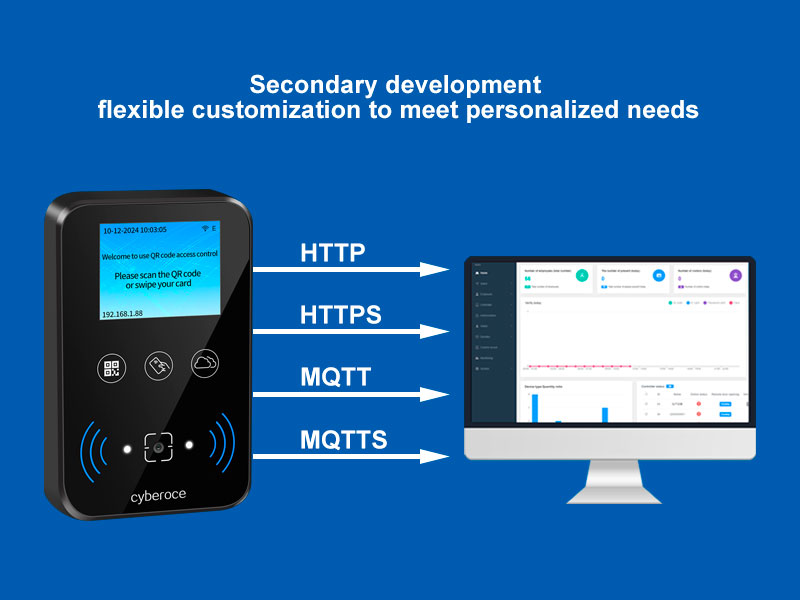
The device private key is an encryption key that is uniformly injected into a batch of devices according to project requirements. Its design ensures that the key itself cannot be read or extracted, thereby providing the highest level of confidentiality. When the QR code access control communicates with the server, the private key will automatically generate a unique digital signature for the transmitted data. The server-side performs strict verification through the corresponding public key or verification logic, and only accepts requests and performs subsequent operations such as opening doors, logging, or status synchronization when the signature is valid.
This' secure signature verification 'mechanism is based on mature encryption principles and can effectively prevent data tampering, replay attacks, and unauthorized access. Even if the communication link is intercepted, attackers cannot forge legitimate signatures to ensure end-to-end security. For integrators with secondary development capabilities, the biggest advantage of this feature is its high programmability. Through our HTTP/HTTPS and MQTT protocols, you can easily customize batch key injection, signature verification logic, and seamlessly integrate with existing software platforms. This means that you don't need to build encryption modules, just focus on business logic development to quickly deploy access control systems that comply with international security standards.
In overseas markets, this mechanism is particularly in line with strict compliance requirements. For example, European GDPR, North American CCPA, or Australian privacy laws all provide clear regulations on data transmission security in access control systems. The device private key helps you easily meet these standards while enhancing the professional image of the project - customers will see a system that is tightly encrypted and protected, which in itself is a bonus for trust.
2. The core value of QR code access control device private key: enhancing system integrity and controllability
For system integrators and software platform providers, the value of device private keys far exceeds the mere encryption function. It provides you with a reliable way to ensure deep binding between hardware and software, forming a highly integrated solution. When deploying projects for end customers such as corporate parks, university laboratories, hotels, or residential communities, you can configure exclusive key policies for specific batches of devices and closely link them to your software platform.
The direct benefit of this binding is the overall stability and consistency of the system. All communications undergo signature verification, and only devices that meet the expected rules can participate in interactions normally. This avoids compatibility issues that may arise from diverse hardware sources, ensuring that the entire access control ecosystem remains efficient and reliable in long-term operation. End customers benefit from lower maintenance costs and higher system availability - they don't have to worry about interruptions during device replacement or expansion, as everything runs smoothly within a controllable range.
At the same time, for system integrators and software platform providers with development capabilities, this feature greatly enhances project manageability. You can flexibly define the admission and interaction rules of devices based on different customers, regions, or project stages, transforming universal hardware into intelligent components fully managed by software platforms. This not only simplifies the deployment process, but also reserves a secure channel for subsequent remote diagnostics, firmware upgrades, and feature extensions.
In the overseas competitive environment, this controllability is particularly valuable. Many projects involve multi-party collaboration or long-term phased execution, and the device private key ensures the continuity and security of the system, giving end customers more confidence in the overall solution, while also demonstrating a higher level of professionalism in delivery. Ensuring a highly unified protocol for all hardware within the system, the access control system can maintain a fast response time of 0.1 seconds even under high concurrent traffic pressure, reducing subsequent maintenance costs.
3. Competitive advantage brought by device private keys: developer friendly project management tools
In the global smart access control market, system integrators with secondary development capabilities often face the challenge of how to transform hardware advantages into differentiated solutions. The device private key is the key driving force behind this transformation. It allows you to seamlessly integrate standardized hardware with highly customized software, building exclusive systems that are difficult to simply replicate.
Through API interfaces, you can achieve refined key management: batch injection, dynamic updates, remote monitoring, and other operations become simple and efficient. This means that in large or cross-border projects, you can easily maintain the status of device clusters, ensuring that each device strictly follows pre-set security policies. This flexibility transforms universal hardware into an exclusive extension of your software platform, greatly enhancing the security and sustainability of your solutions.
More importantly, this feature provides you with a tool for proactively managing projects. Whether it is a single building or a multi phase park expansion, you can lock in the core interaction entrance through the software platform to ensure that the system maintains optimal performance throughout its entire lifecycle. This not only reduces technical risks, but also brings tangible value to end customers: a stable, secure, and easily scalable ecosystem that extends the system lifecycle while significantly reducing later operational costs and failure rates.
Many leading international access control vendors have already integrated similar mechanisms into their product systems, and Cerberus' implementation places particular emphasis on developer experience: complete documentation, SDK friendliness, and support for multiple programming languages, making the integration process efficient and smooth. Combined with other advantages of our hardware, such as dynamic QR code anti screenshot, automatic expiration, IPX7 waterproof and anti-static, and fast recognition under strong light, the device private key further enhances the overall competitiveness.
4. Actual implementation scenario: from development to long-term operation
Imagine deploying a QR code access control system for an office building for a European multinational corporation: investing significant resources in developing visitor management, elevator linkage, and HR system integration in the early stages. The device private key enables you to establish advanced verification collaboration between software and hardware, ensuring that each terminal becomes an inherent and trusted component of the platform ecosystem, thereby ensuring the robust operation of the entire architecture. The end customers enjoy the experience of contactless scanning and fast passage, while you continuously provide precise remote support through the platform, ensuring the long-term operation of the system while building a deep partnership based on technological strength.
In the North American university laboratory project, you can configure independent key policies for different departments to achieve fine-grained access control. At the same time, the private key mechanism ensures data security in sensitive areas, meets compliance requirements, and also reserves flexible space for future expansion.
These scenarios demonstrate that device private keys are not only security features, but also strategic assets for you to win in overseas markets. It helps you deliver more professional and reliable solutions while creating long-term value for end customers.
5. Joining hands with Cerberus QR code access control device private key, creating a smart access control future together
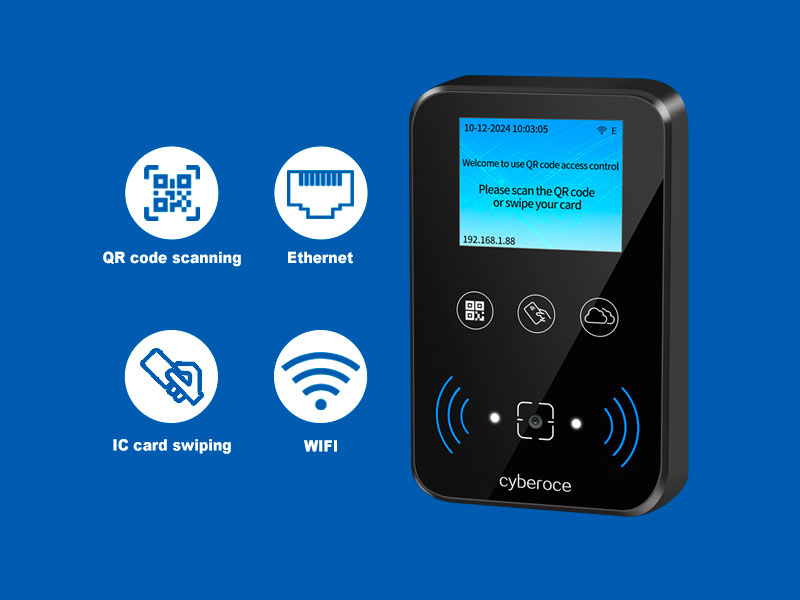
The device private key is a core feature tailored for developers in the Cerberus QR Code Access system. It is based on strong secure signature verification, providing solid support for system integrators and software platform providers with development capabilities to build integrated solutions: higher system controllability, stronger project sustainability, and better competitive positioning. Embracing this feature, you will take the lead in the global market and deliver truly intelligent and secure QR code access control experiences to customers.

