By combining high-precision facial recognition with QR code access control, the factory has been able to build a smart access control system with a higher level of security and more flexible access. Facial recognition ensures biometric identity verification in Critical areas, preventing proxy attendance; QR code access control provides a controllable and traceable authorization method for visitors, eternal vendors, and temporary personnel.
Table of contents
Text:
In today's highly automated industrial era, factories are no longer just production centers, but also concentrated areas of corporate technological secrets and core processes. To ensure the safe and efficient operation of factories, a stable, sophisticated, and traceable access control system has become an indispensable part of the infrastructure. However, the shortcomings of traditional card-swipe access control systems are becoming increasingly apparent when faced with complex departmental hierarchical management, strict attendance accuracy requirements, and special security needs for high-value areas.
This article will start from actual management needs and explain how to combine high-precision facial recognition technology with flexible
QR code access credentials to create a brand-new smart access control system with biometric security standards, which will completely revolutionize the factory's hierarchical control and attendance management model.
I. Management Challenges: Why Traditional Access Control Systems are a " Weak Link " in Factory Operations
For modern factories with complex personnel and significant differences in regional sensitivity, traditional access control systems are no longer sufficient to support the needs of refined management. Instead, they are gradually revealing two core problems.
1. Distorted attendance records: a "gray area" in management. Whether in administration, R&D, or production departments, proxy attendance is an open secret. Employee cards, as external media, have little to do with personal identity. The "favor-based attendance" results in highly inflated work hour data, affecting not only the fairness of human resource management but also causing companies to lose control over employees' true attendance.
2. Security Vulnerability: Blind Spots in Access Control. Traditional access control operates on the principle of "card equals access." Once a card is borrowed or lost, access is unconditionally transferred. For high-risk areas such as warehouses, R&D Rooms, and server rooms, "one card, access throughout the factory" model undoubtedly amplifies potential security risks. Especially in value-intensive factory settings, such risks are intolerable.
The necessity of tiered security control in factories: A core requirement of factory management is to implement differentiated security strategies for different areas. Warehouses as the core of material and data exchange, must adhere to the highest security standards.
II. The Integrated Management Value of Facial Recognition and QR Code Access Control
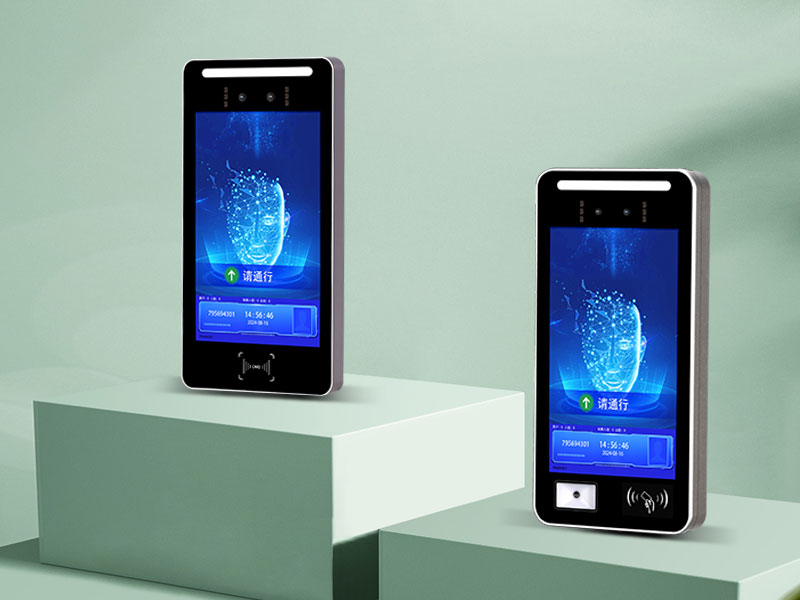
To address the complex demands of factories with multiple areas, multiple roles, and high security requirements, our solution is a deep integration of a new generation of high-precision visible light facial recognition terminals and
QR code access control systems. This "dual-core driven" system creates a safe, efficient, and flexible access environment for the entire factory.
Advantages of Smart Terminal Integration: Achieving Both Security and Efficiency
Certificate Mode Core Value Positioning Applicable Scenarios Problem Solving
Facial Recognition Bio-grade Safety, High-frequency Verification Employee Attendance, Warehouse/Computer room, and other primary security zones To prevent proxy attendance, identity is strictly bound, ensuring the highest level of security.
QR Code Recognition Scenario-based flexible Authorization, Time-limited Traceability Visitors, Temporary Workers, Outsourced Services, Temporary access to meetings It replaces temporary card management, automatically revokes permissions, and has a robust traceability mechanism.
Seamless data integration: Ensuring the accuracy and efficiency of attendance data.
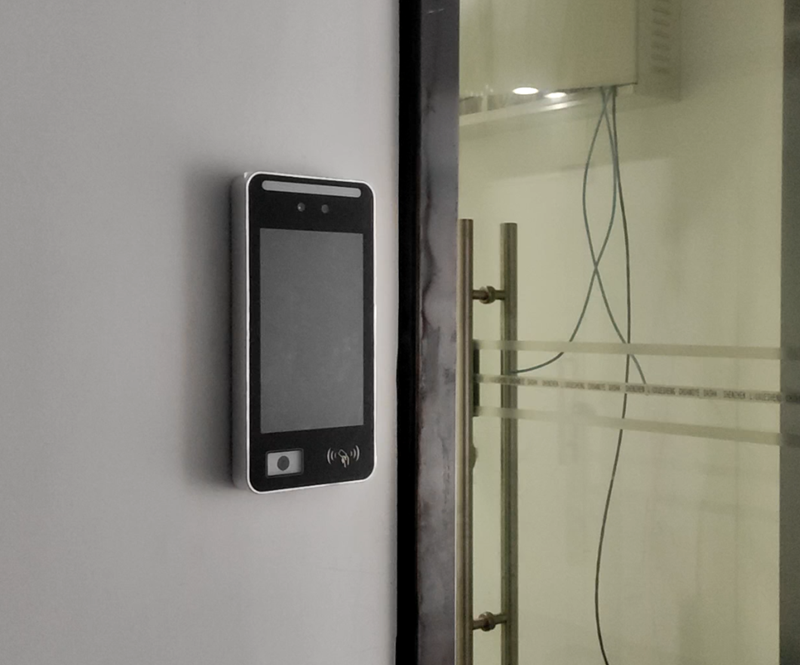
Our access control terminals offer a complete SDK and API interface, enabling seamless integration with existing factory attendance systems, OA systems, and even ERP platforms. This open interface design ensures that the biometric authentication data collected by the access control terminals can be accurately and in real-time synchronized into the existing attendance accounting logic, completely resolving the issues of data silos and data format incompatibility after the new system goes live.
The integrated access control system:
1. "Purification" and Consolidation of Attendance Data: The biometric uniqueness of facial recognition is the fundamental guarantee against proxy attendance. By deploying facial recognition at key channels and combining it with API-enabled precise data transmission, the human resources department obtains absolutely accurate and irrefutable employee work hour data. This not only improves data quality but also provides a reliable basis for payroll calculation and employee performance evaluation.
2. Refined Implementation of Zone Management: This is the core value of the system in factory applications. Management can flexibly set authentication modes based on the value and sensitivity of regional assets.
Level 1 Security Zone (Warehouse, Server Room): Must adopt the highest standard of pure facial recognition and is only open to a small number of authorized management personnel.
Level 2 Security Zone (R&D, Core Production Line): Uses facial recognition or QR code verification, with permissions subdivided to project teams for flexible scheduling and management.
Level 3 areas (office buildings, public passageways): can simultaneously support facial recognition and QR codes, balancing employee attendance and efficient reception of external personnel.
3. Traceable electronic records: All access records, whether facial recognition or QR code scanning, will automatically generate complete and tamper-proof logs. This greatly facilitates security auditing and enables the rapid identification of responsible parties and timelines in the event of a security incident.
III. Implementation Path: From Pilot Projects in Core Warehouses to Standardized Coverage Across Factories
To ensure the successful implementation of this integrated technology, we recommend a robust "tiered pilot-full rollout" strategy to guarantee that every penny invested translates into tangible security and management benefits.
The first step: Pilot testing in key security areas. Warehouses and server rooms will be the initial pilot areas. The pure facial recognition mode will be applied first in these high-security areas. Successful operation in challenging industrial environments will fully verify the system's stability and adaptability, laying a solid foundation for subsequent full-scale rollout.
Step Two: Tiered Promotion and Standardization After gaining successful experience from the pilot program, companies can develop a phased replacement plan to gradually cover the entire plant:
1. Core Expansion: Extend facial recognition to all core production lines, technology research and development centers, and other key locations.
2. Auxiliary Coverage: A combined facial recognition and QR code system will be implemented in non-core areas such as the administration building and employee access routes to ensure attendance accuracy while optimizing the personnel flow experience. Ultimately, this initiative will help the group establish a unified, efficient, and biometric- and multimodal credential-based digital management standard for factory security and attendance, completely resolving the long-standing security and efficiency challenges.
IV. Summary and Value: Building a Future-Oriented Management System
For enterprises, the integration of facial recognition and QR code access control is an inevitable choice for achieving lean factory management and intelligent security.
• Efficiency Reform: Attendance data has been completely automated and made more accurate, greatly freeing up the human resources department and providing data support for refined management.
• Security Upgrade (Core Value): The uniqueness of biometric technology ensures "identity verification and precise authorization," while the scenario-based flexibility of QR codes builds an insurmountable and regionally manageable security defense for the company's core assets, data, and all departments.
Through this intelligent upgrade, your company will successfully build a modern factory management system that is highly secure, efficient, and traceable, thereby ensuring production safety and promoting the continued healthy development of your future business.
If you are interested to this integrated access control methods, welcome to talk with us Cyberoce. We will push the details data and projects files to you.
